

Exploring QAI’s Potential in Life Optimization, Longevity, and Anti‑Aging Science
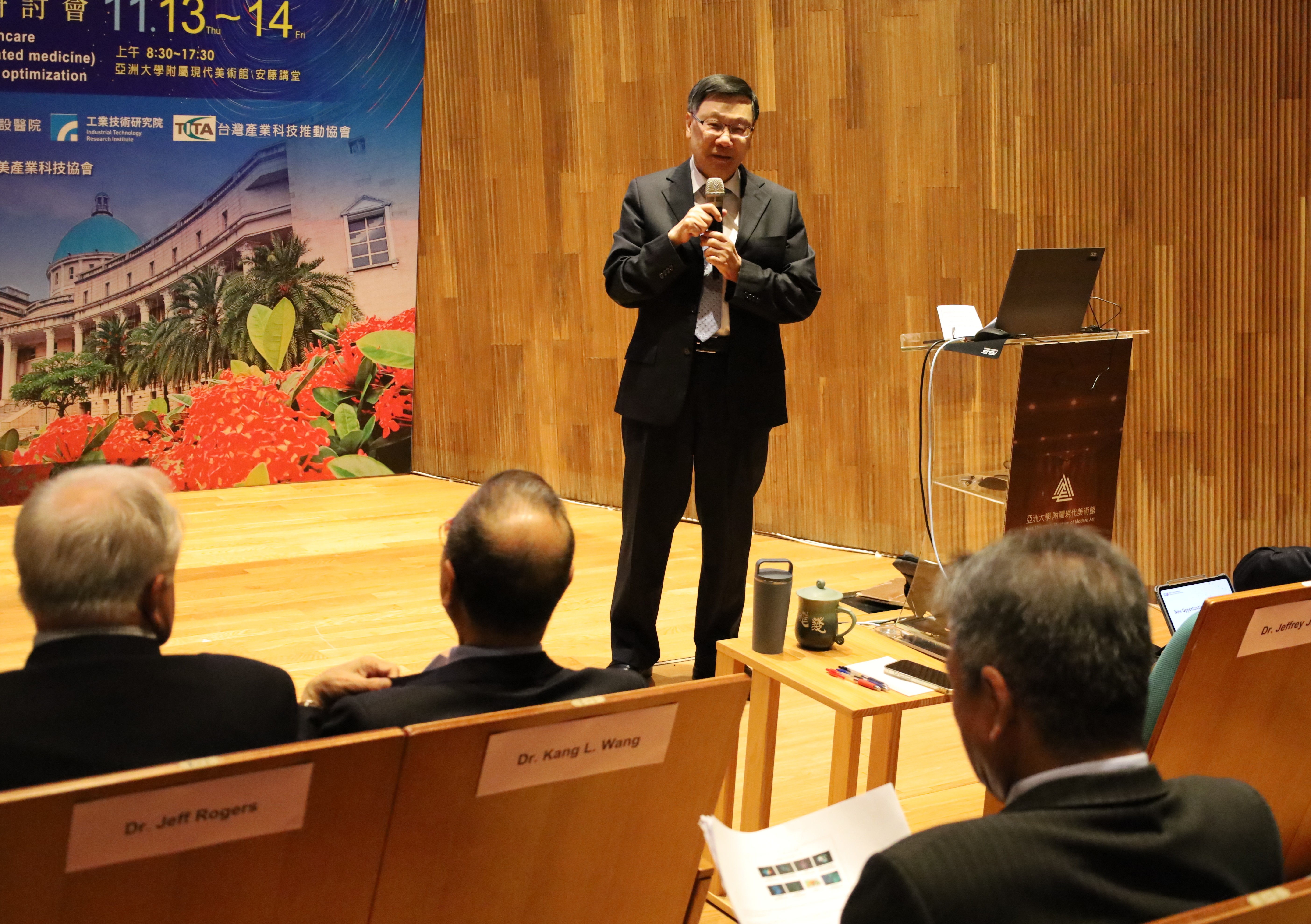
AU President Jeffrey J.P. Tsai moderates Day 2 of the International Symposium on Quantum AI and the Future of Life
Asia University (AU) continued the "International Symposium on Quantum AI and the Future of Life 2025" on November 14, entering its second day with discussions extending from East‑West integrative medicine to broader topics such as life optimization, longevity, and anti‑aging. Distinguished speakers, including China Medical University (CMU) Vice President Fu‑Jen Tsai and Taiwan Association of Industry and Technology Chairman Shing‑Che Tu, delivered keynote talks. Two thematic forums further explored how Quantum AI (QAI) can advance precision medicine, enhance human quality of life, and extend healthy lifespan.
AU President Jeffrey J.P. Tsai, serving as session moderator, introduced CMU Vice President Fuu-Jen Tsai, who has dedicated decades to Taiwan’s rare‑disease research and clinical care. Tsai established Taiwan’s first Rare Disease Drug Logistics Center and the national Rare Disease Data Repository, earning the “Taiwan Medical Excellence Award.” He shared how his work was inspired by a young patient diagnosed with Gaucher disease, and highlighted the role of AI in drug discovery and genomic medicine.
Chairman Shiing-jer Twu discussed "New Opportunities in Quantum AI," examining how Taiwan can seize QAI as a next‑generation strategic technology to accelerate biotechnology and healthcare innovation at both national and industrial levels.
Harvard Medical School Professor Felipe Fregni provided an online keynote focusing on the human brain—the most complex organ—sharing breakthroughs in neuroscience research and describing how quantum‑enhanced AI may decode neural systems, enabling new treatments for neurological rehabilitation and mental health.
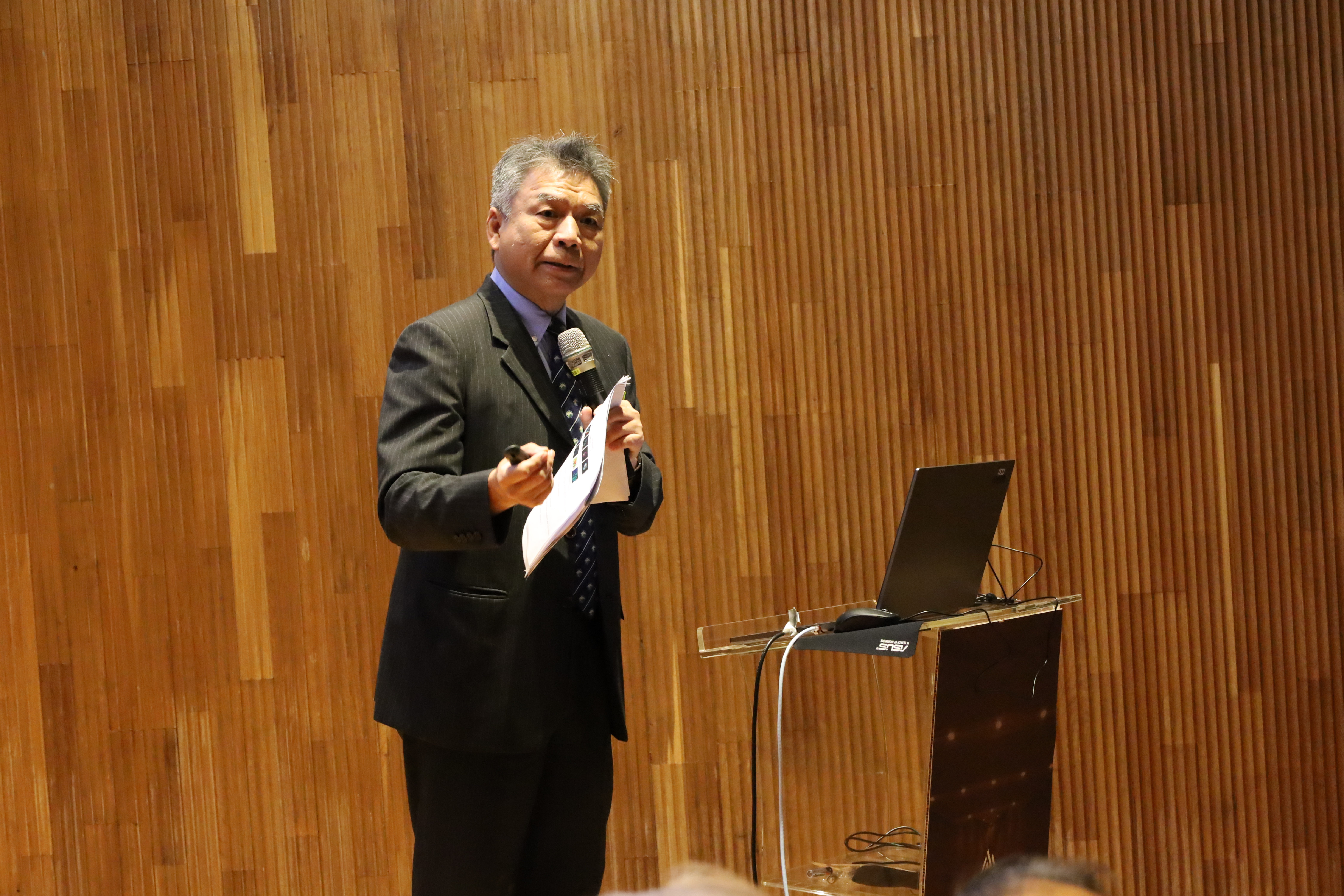
CMU Vice President Fuu-Jen Tsai explains AI applications in drug discovery and genomic medicine
Wells Fargo Senior Research Scientist Yen Chen presented on neural rehabilitation, non‑invasive brain stimulation, and quantum computing. His talk, “From Quantum Circuits to Quantum Agents,” demonstrated future directions for building scalable, self‑learning, and self‑optimizing QAI‑based intelligent systems.
In the afternoon session, Prof. Chi‑Ying Huang, Dean of the School of Pharmaceutical Sciences at National Yang‑Ming Chiao‑Tung University, examined anti‑aging nutraceutical development and potential uses of quantum modeling in screening natural or synthetic compounds that slow aging. His talk introduced practical strategies for life optimization.
Dr. Chin‑Chi Kuo, Associate Vice President of CMU’s Big Data Center, presented an innovative perspective: viewing life optimization as a “control problem.” Using kidney health as an example, he demonstrated how QAI can precisely manage chronic disease progression by treating human health as a dynamic system requiring continuous adjustment and optimization.
Prof. Kun‑Cheng Lan of National Cheng Kung University’s Department of Computer Science introduced QAI applications in automated laser acupuncture, showing how AI‑guided precision systems can modernize traditional medical practices to improve treatment accuracy and efficiency.
During the morning panel forum, IBM Global Digital Health Research Lead Jeff Rogers asked whether Taiwan plans to invest in quantum hardware or cloud‑based access to accelerate national QAI development. Chairman Tu responded that Taiwan is evaluating approaches that best align with industry needs, noting the country’s strong semiconductor foundation positions it to become a global leader in quantum technologies.
The afternoon panel—featuring Dean Huang, Associate VP Kuo, and others—examined anti‑aging science, emphasizing that the primary goal is not merely extending lifespan but understanding aging mechanisms, controlling chronic disease progression, and slowing systemic deterioration.
The two‑day symposium brought together global experts in Quantum AI and life sciences, collectively outlining an inspiring vision for the future of human health, longevity, and quality of life.
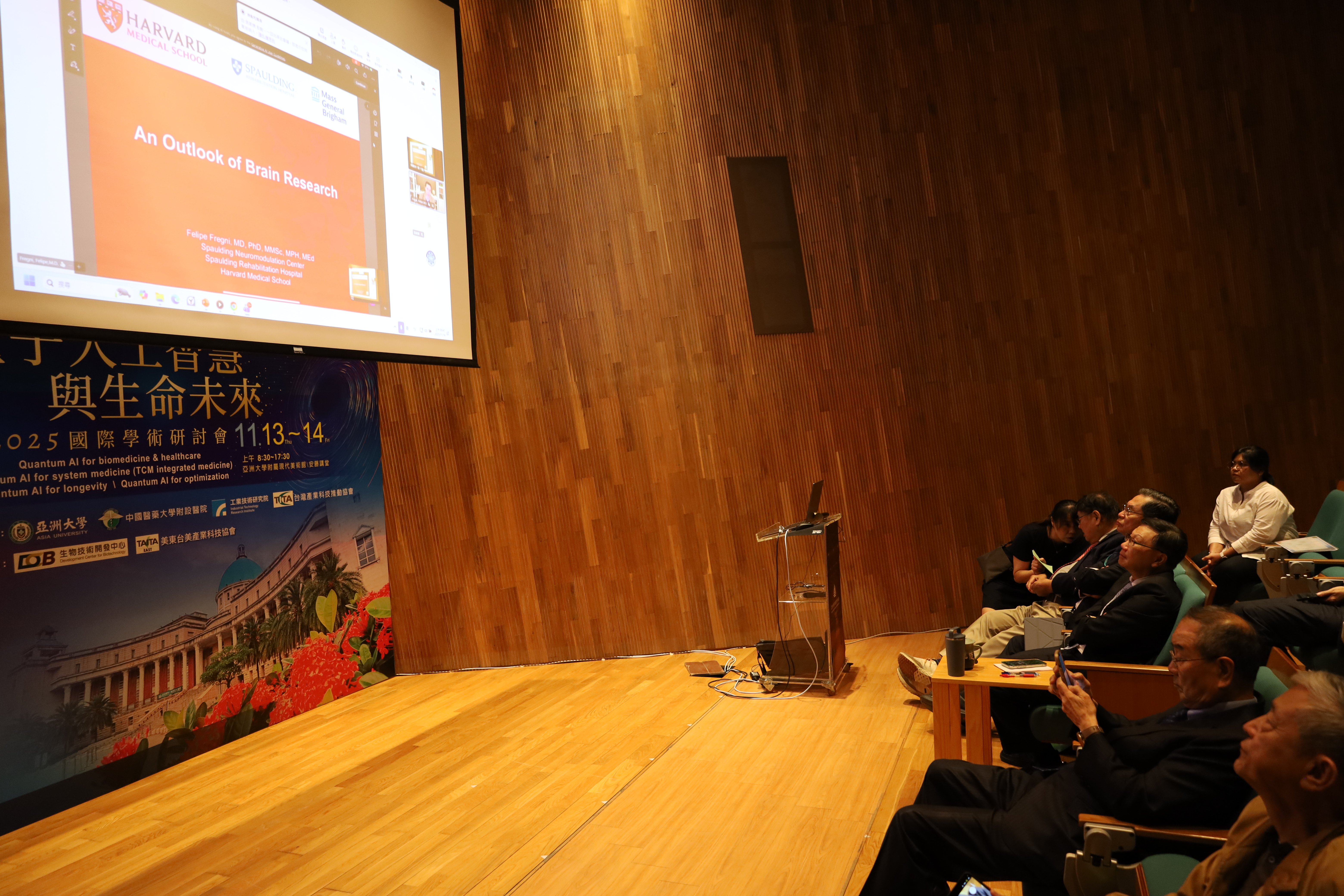
Harvard Medical School Professor Felipe Fregni presents online on neuroscience and QAI
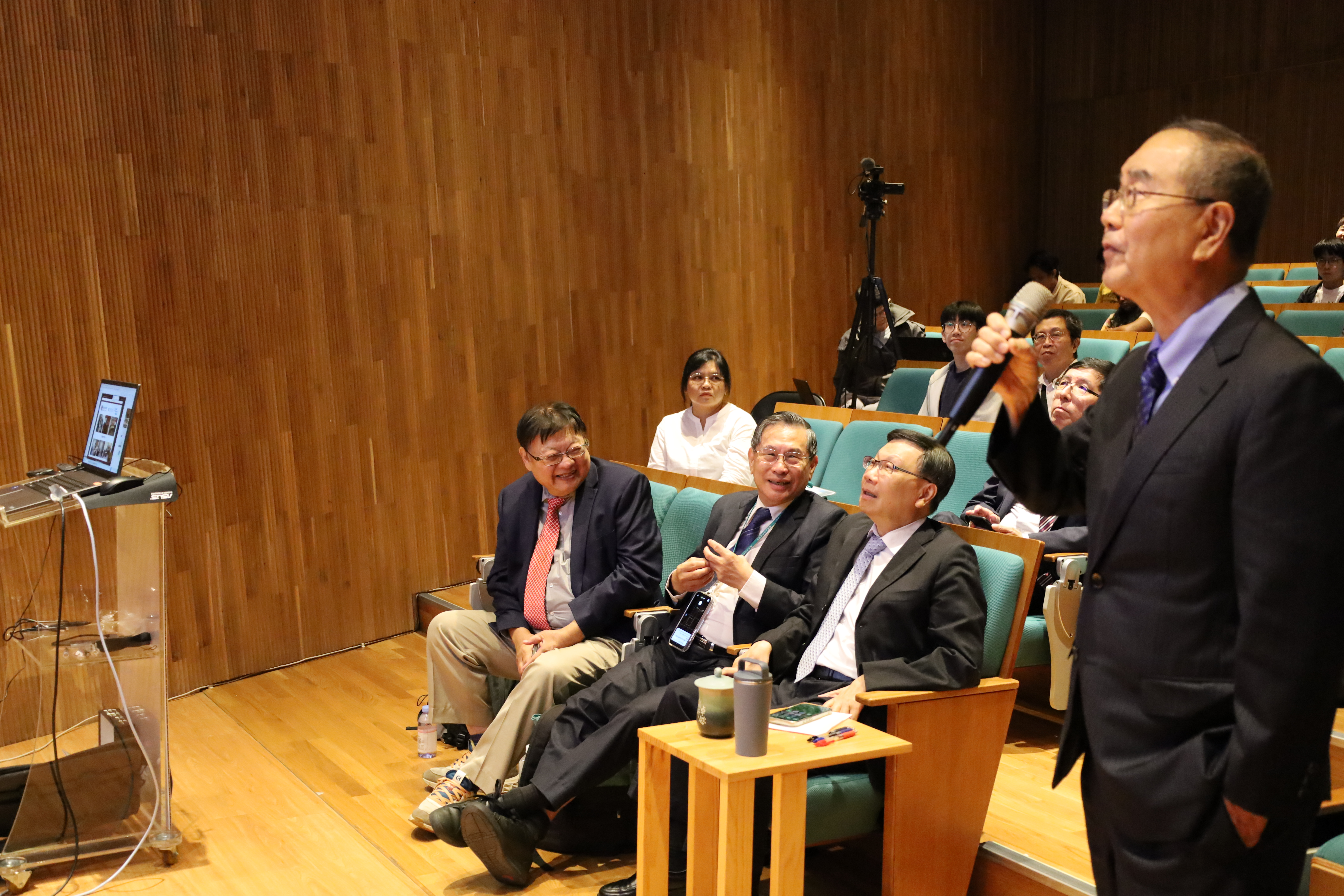
Academician Kang‑Lung Wang engages in discussion with online speakers
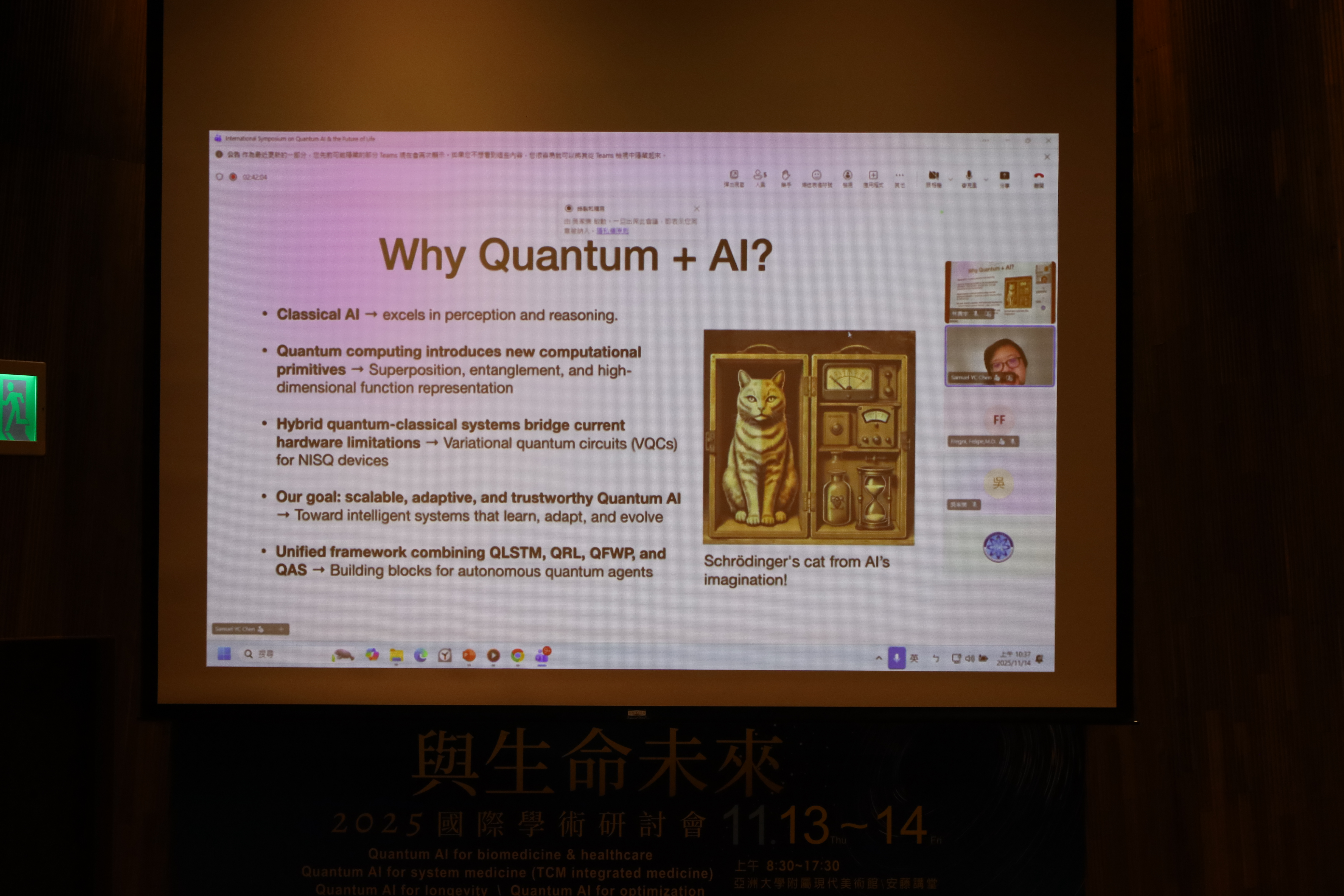
Wells Fargo Senior Research Scientist Yen Chen discusses quantum computing and neural rehabilitation
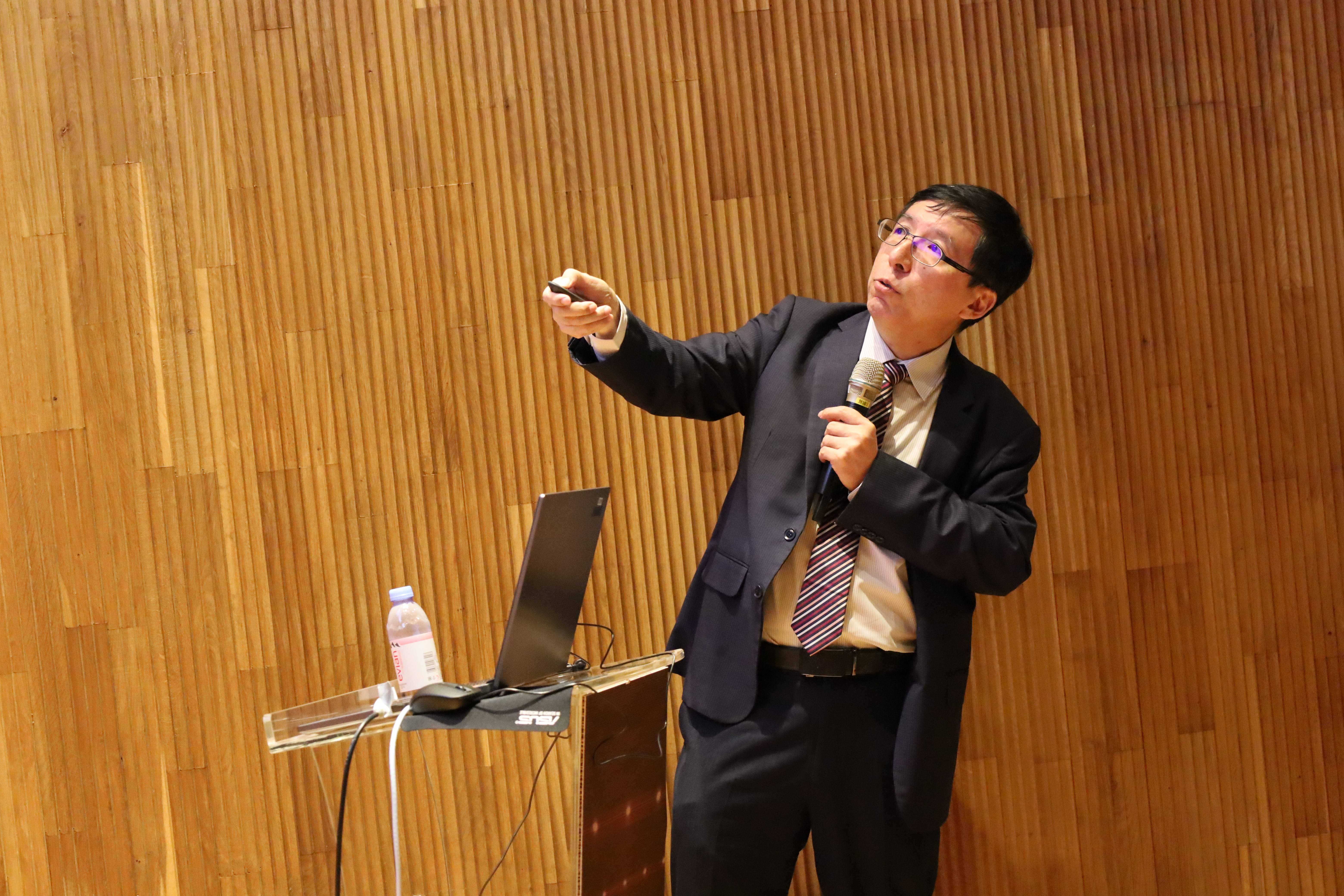
NYCU Dean Chi‑Ying Huang explores anti‑aging nutraceutical research and quantum modeling
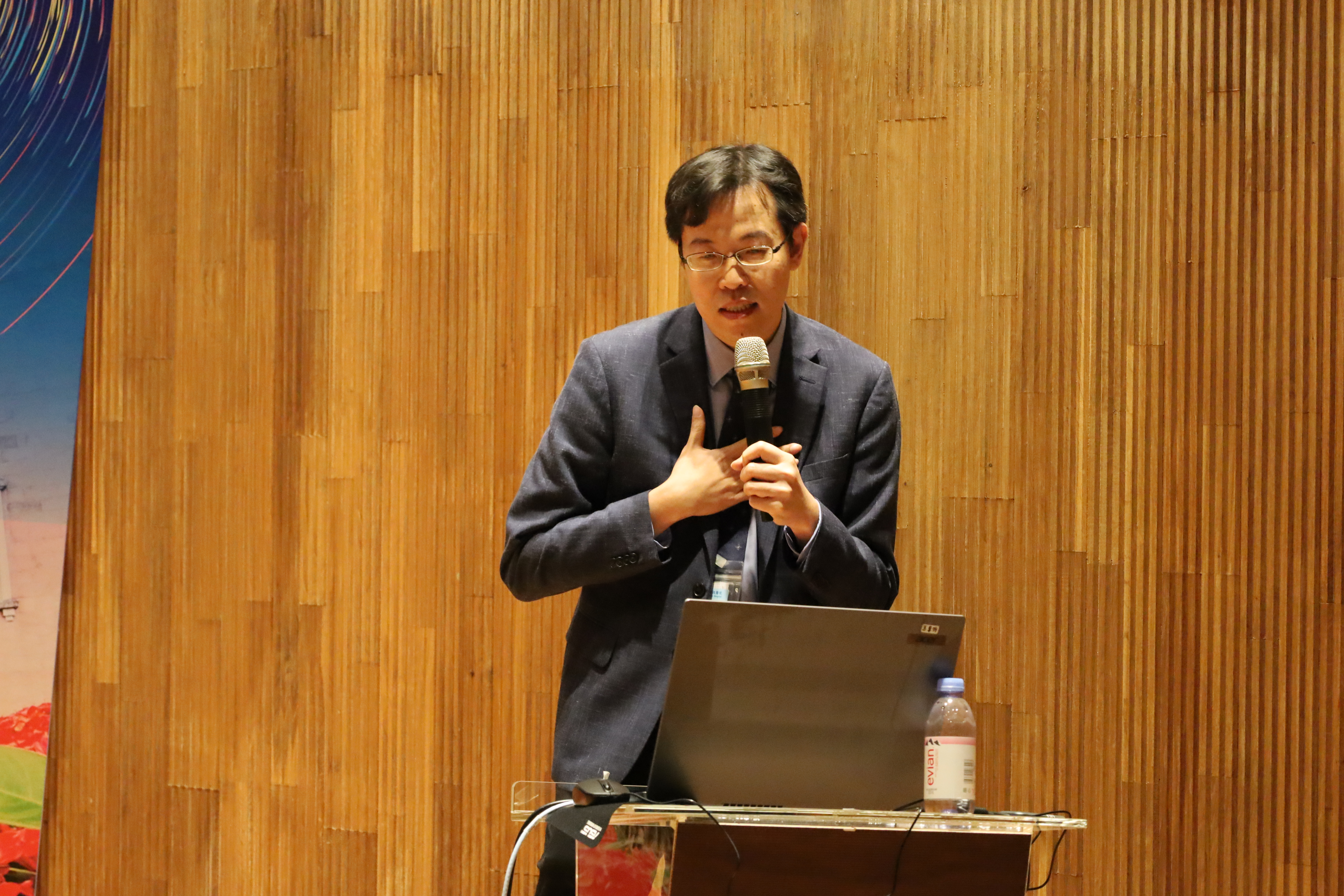
CMU Big Data Center Associate VP Chin‑Chi Kuo explains QAI applications in integrative medicine
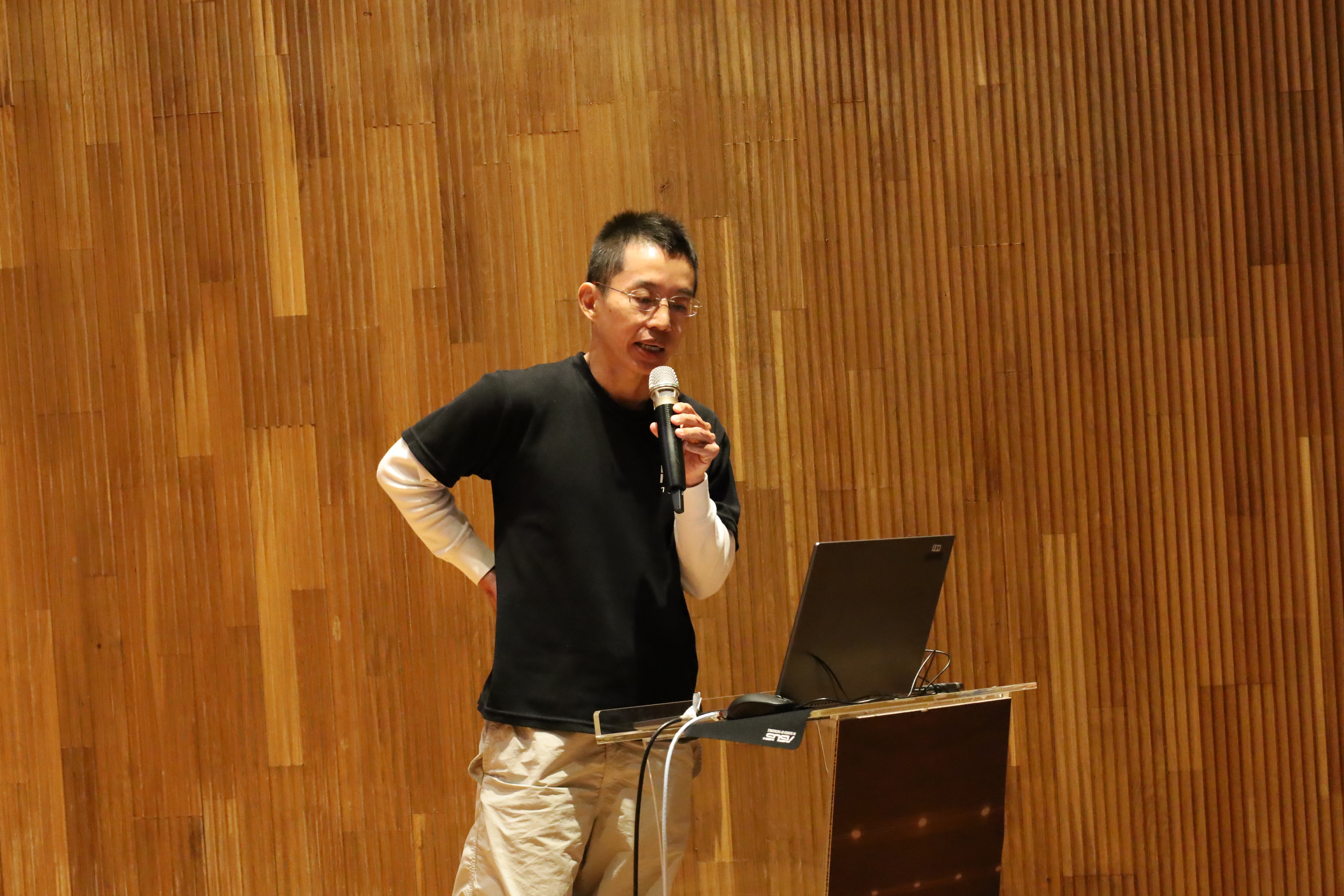
NCKU Professor Kun‑Cheng Lan demonstrates automated laser acupuncture using QAI
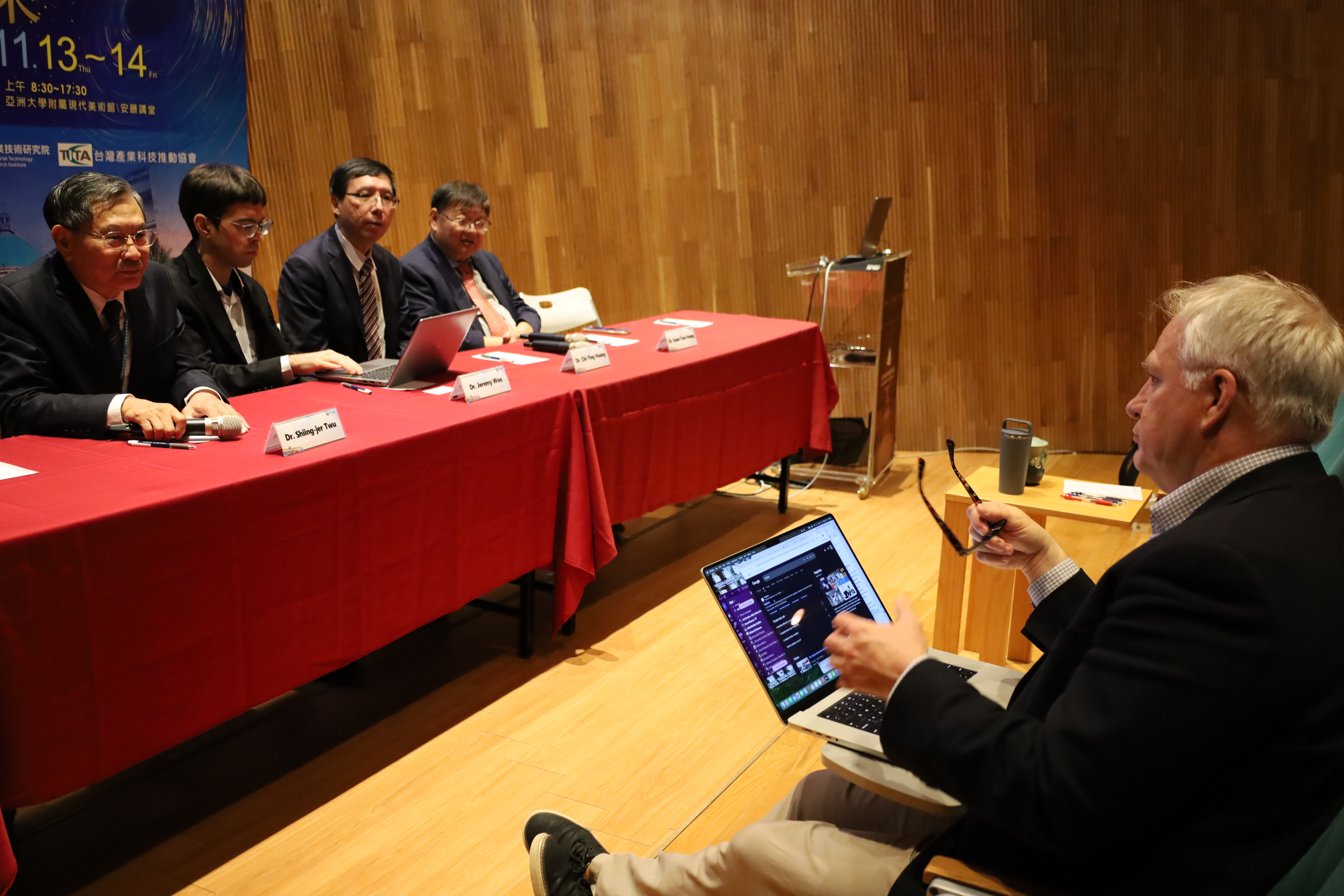
IBM’s Jeff Rogers and Chairman Shiing-jer Twu discuss Taiwan’s national QAI strategy
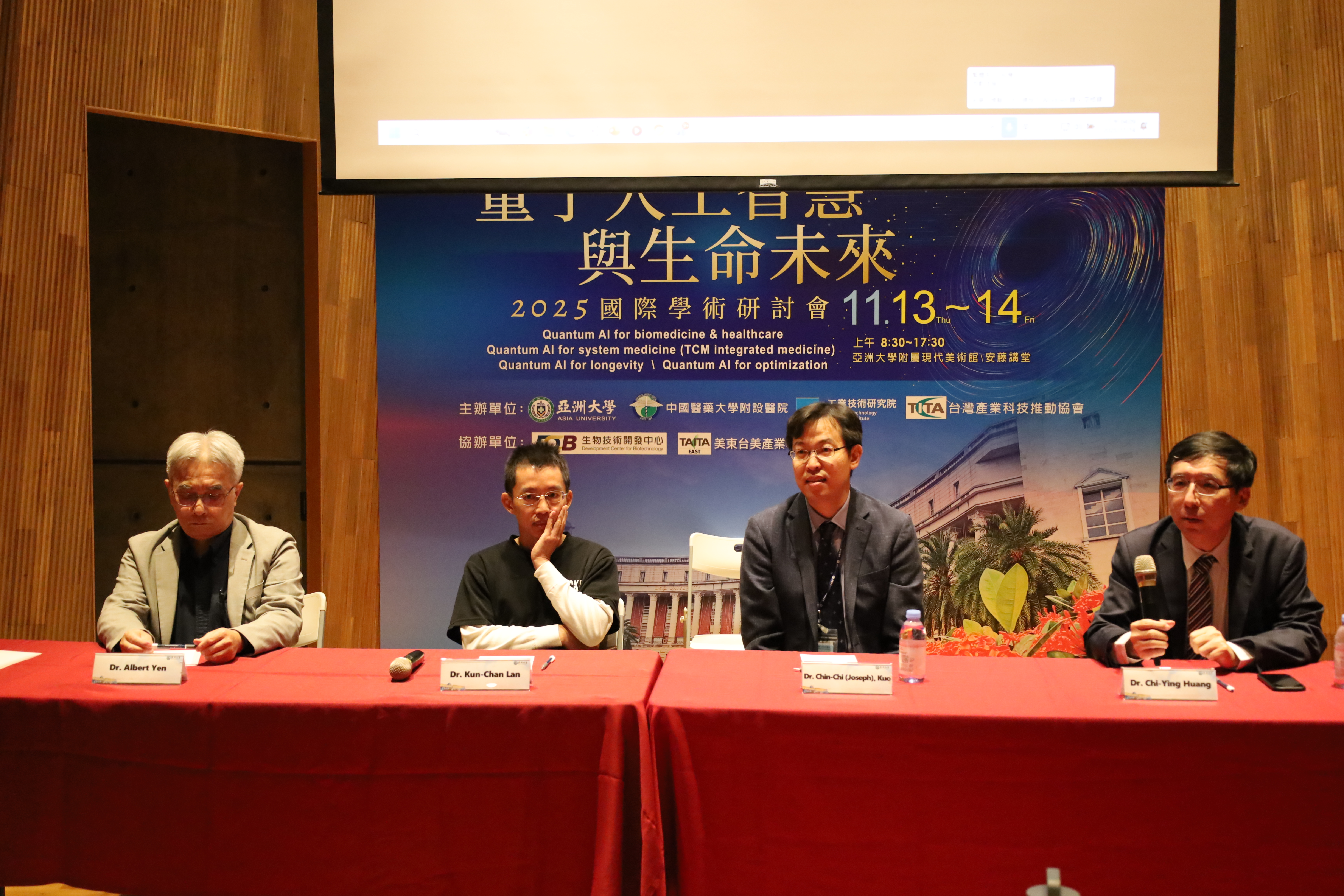
Panel Forum 2 focuses on anti‑aging science and quantum applications