
Bringing together leading scholars and experts from around the world to explore the latest advances in Quantum AI for medicine, life sciences, and longevity technologies
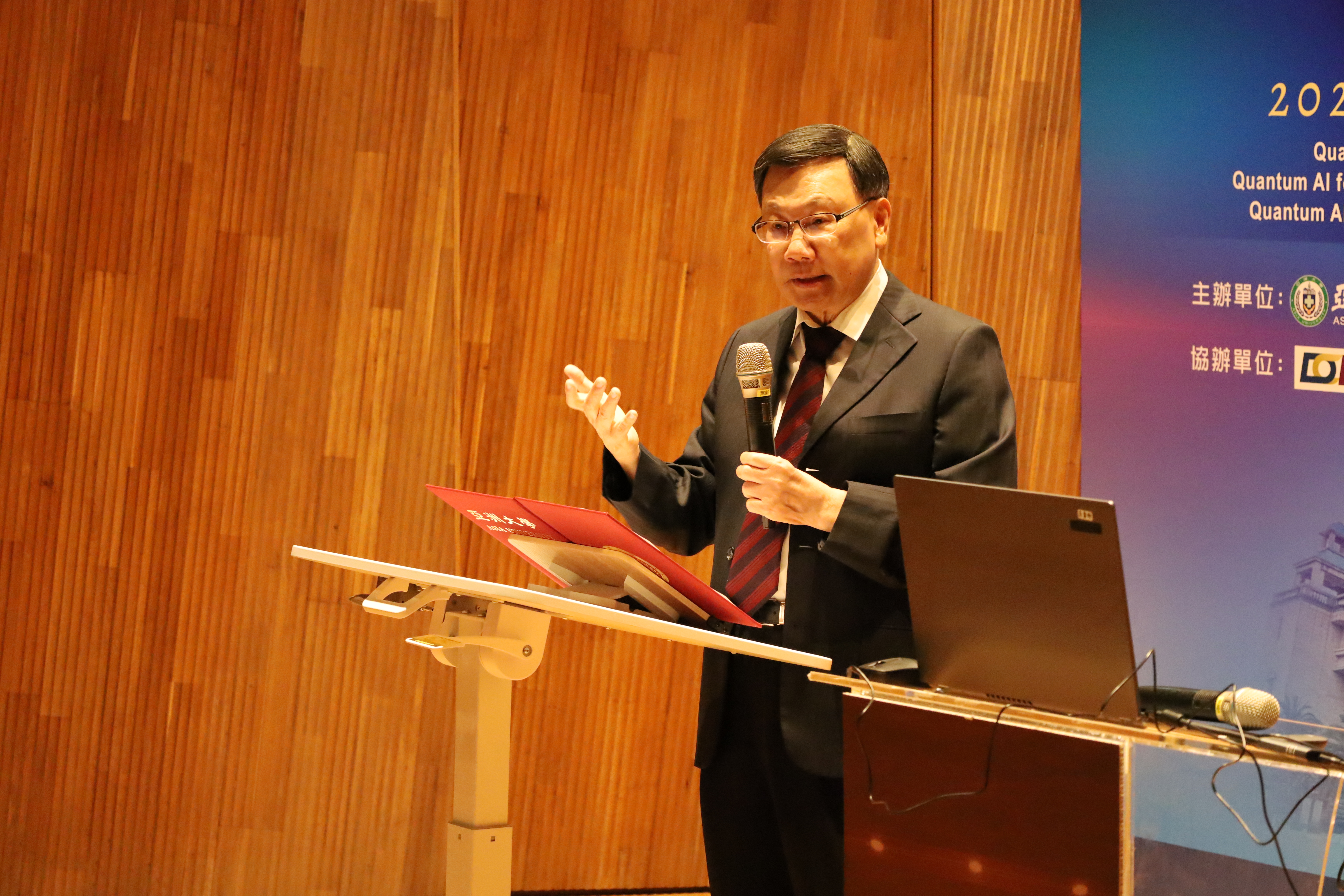
AU President Jeffrey J.P. Tsai emphasizes the university’s commitment to advancing quantum biomedical research and smart health innovation
The "International Symposium on Quantum AI and the Future of Life 2025" was held on November 13–14 at Asia University (AU), bringing together top scholars and experts from the fields of artificial intelligence, quantum technology, biomedical sciences, and traditional Chinese medicine. The conference explored the latest developments of Quantum AI (QAI) in medical care, life sciences, and longevity technology.
Deputy Minister of Education Kuo-Wei Liu praised Asia University during the opening ceremony for its leadership in AI, biomedical innovation, and quantum technology—especially its achievements in interdisciplinary integration, industry collaboration, and global partnership. He emphasized that the government’s new “3+3 Strategy” aims to produce at least three Nobel Prize laureates in physics, chemistry, and biomedical sciences in the next 30 years, noting that biomedical science has become one of Taiwan’s mos...
AU President Jeffrey J.P. Tsai stated that the symposium brings together leading experts from academia, industry, and government to explore one of the most exciting scientific frontiers—Quantum Artificial Intelligence. QAI merges quantum information theory with intelligent computation, utilizing quantum principles such as superposition and entanglement to process information in ways impossible for classical systems. Many complex challenges—drug design, molecular simulation, natural disaster modelin...
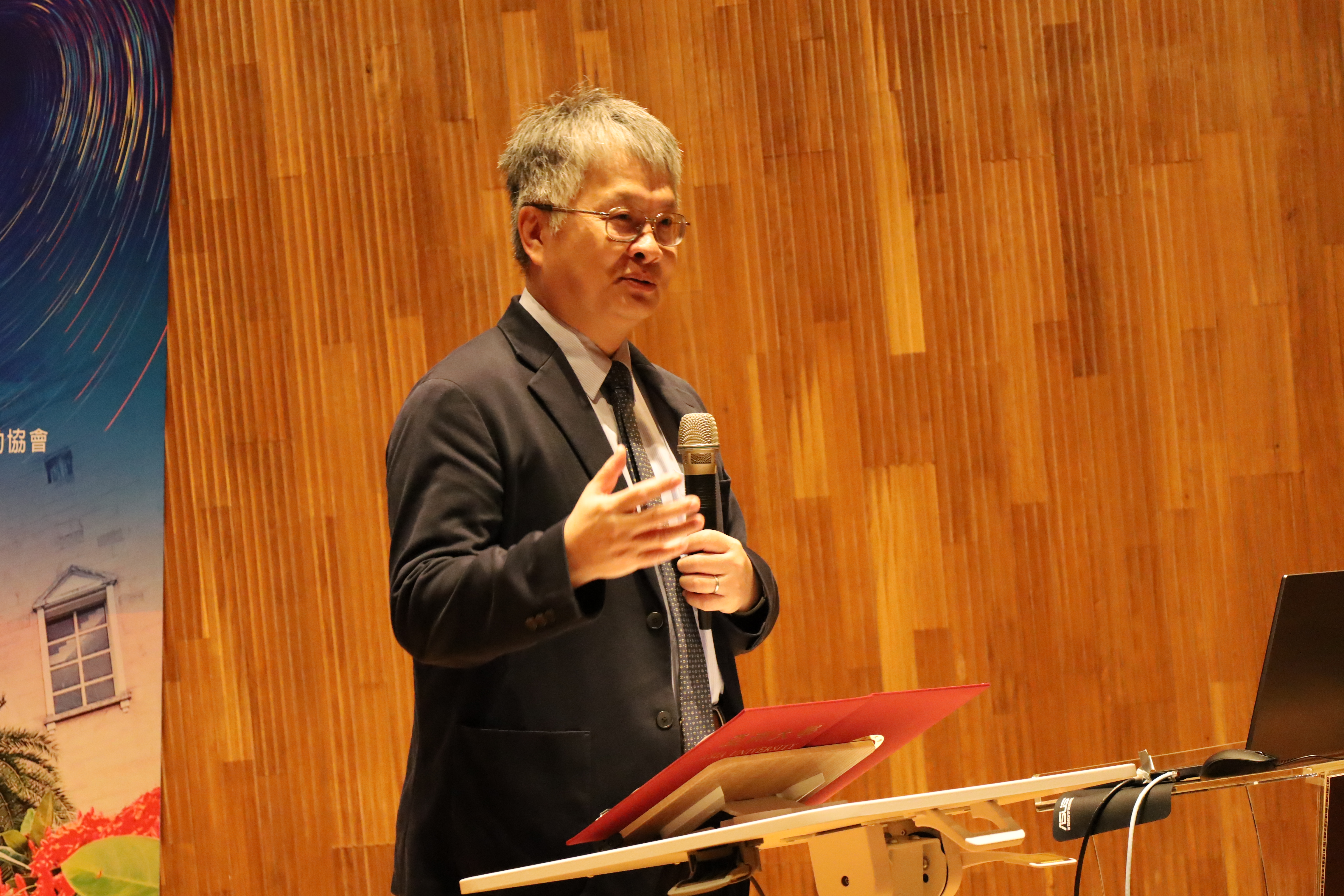
Deputy Minister of Education Kuo-Wei Liu recognizes AU’s achievements in AI, biomedical sciences, and quantum technology
President Tsai emphasized that integrating quantum computing with AI has the potential to greatly advance precision medicine, disease prediction, longevity science, and systems medicine. He reaffirmed AU’s commitment to advancing quantum biomedical research and innovative smart health technologies to promote human well-being and sustainability.
Jeff Rogers, IBM Global Research Lead for Digital Health, presented how Quantum AI can enhance intelligent medical systems and clinical decision-making. He explained how combining AI with quantum information can extract real-time insights from medical data and support foundational models for personalized medicine—showcasing QAI’s potential for faster, more accurate diagnostics and treatment strategies.
Pei-Yun Sabrina Hsueh, Director of AI Applications and External Innovation at Pfizer, shared online how global pharmaceutical companies use AI to drive drug discovery and life science innovation. She emphasized AI as a core productivity tool, enabling ethical, efficient research and accelerating breakthroughs across the pharmaceutical and biomedical industries.
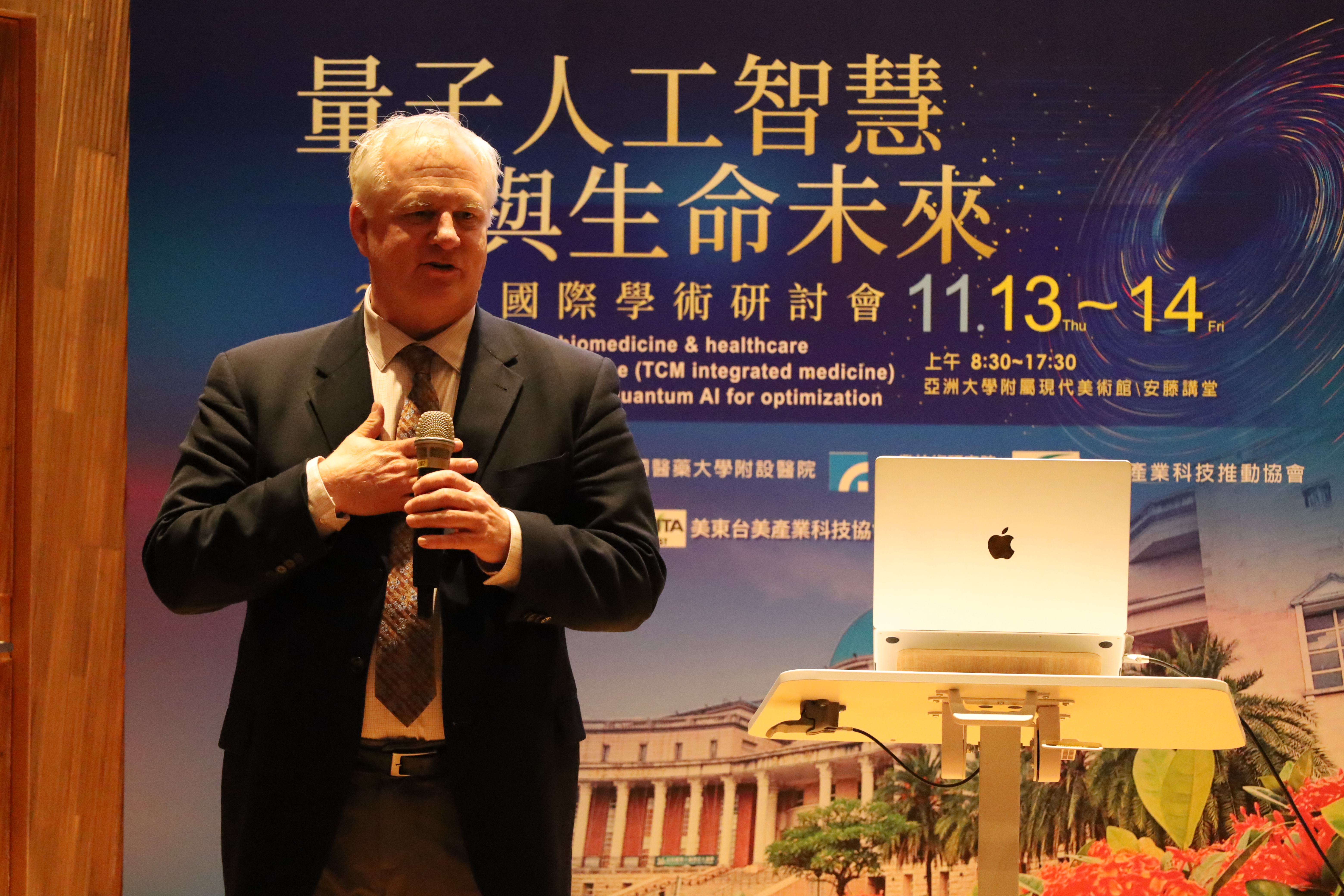
Jeff Rogers, IBM Global Digital Health Research Lead, explains how Quantum AI enhances intelligent medical systems
Dr. Liang-Kung Chen, Superintendent of Taipei Municipal Gan-Dau Hospital, discussed the applications of AI and quantum technology in geriatric medicine and longevity research. He highlighted how AI helps decode aging biology and plays a critical role in elderly care and anti-aging interventions.
In the afternoon session, UCLA Center for East-West Medicine Director Prof. Ka-Kit Hui explored how QAI may bridge precision Western medicine with the holistic principles of Eastern healing systems, opening new pathways for integrated health models.
Dean Hung-Jung Yen of China Medical University’s College of Chinese Medicine further emphasized integrating Eastern and Western wisdom through AI-driven analysis to build forward-looking, holistic healthcare innovation.
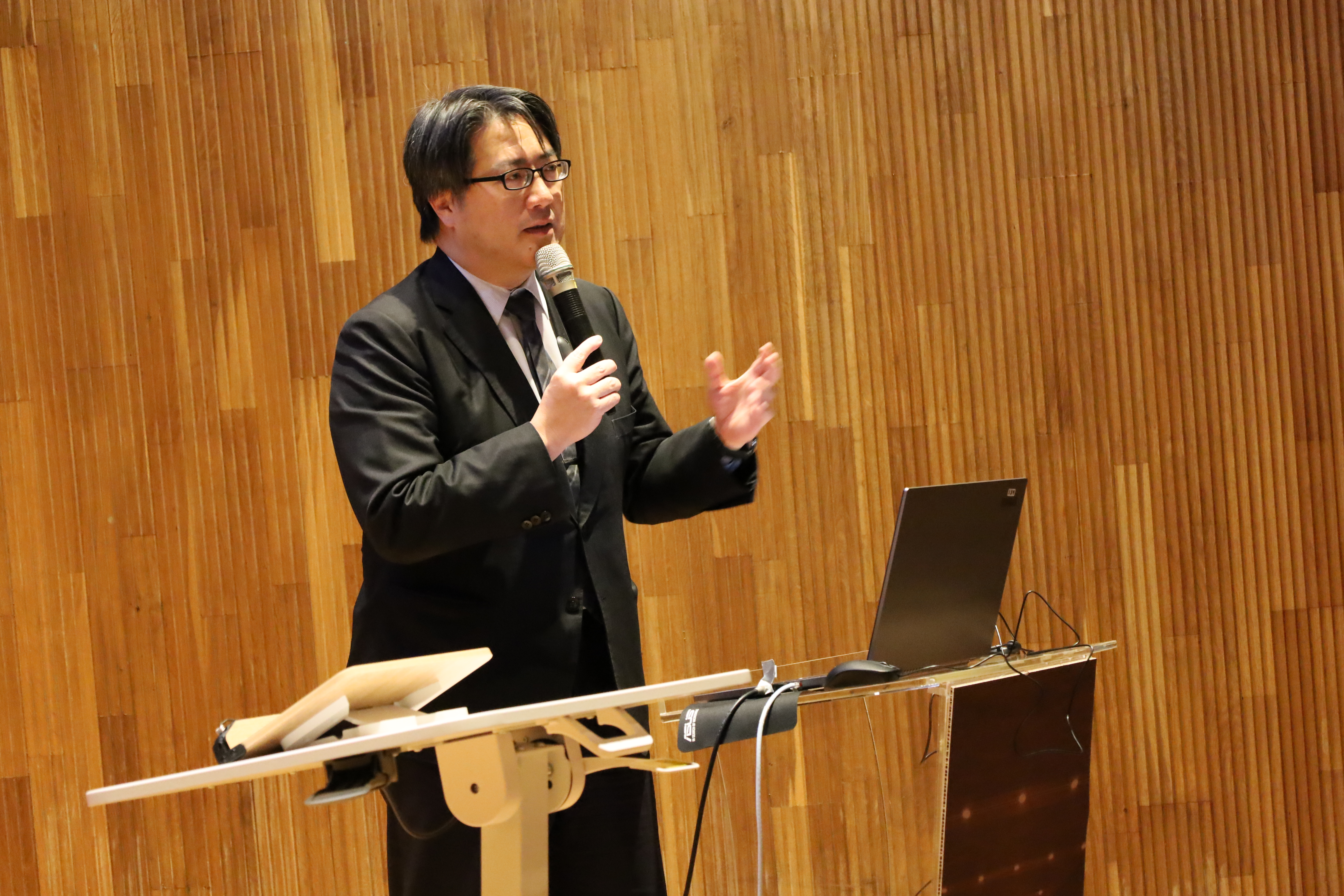
Dr. Liang-Kung Chen discusses applications of AI and quantum technology in geriatric health and longevity medicine
Prof. Sheng-Teng Huang of China Medical University examined traditional Chinese medicine (TCM) from a systems-science perspective, explaining how ancient TCM knowledge can be modernized and integrated with QAI to expand scientific understanding and medical applications.
Two keynote panel forums were chaired by Academia Sinica Academicians Prof. Kang-Lung Wang and Prof. Chao-Kung Lin, focusing on QAI's role in disease prediction, biomedical imaging, personalized health, TCM diagnostics, and East-West medical integration. Prof. Wang noted that AU and China Medical University, as part of the CMU–AU System, have major opportunities for interdisciplinary medical innovation. Prof. Lin shared insights from his internationally recognized research on acupuncture ane...
President Tsai concluded that the symposium demonstrates AU’s growing strength in smart health and quantum research, while also strengthening collaborations with Harvard Medical School, UCLA, Pfizer, IBM, and other global institutions. AU will continue advancing its “AI + Quantum + Healthcare” strategic framework to contribute to global health and human longevity.
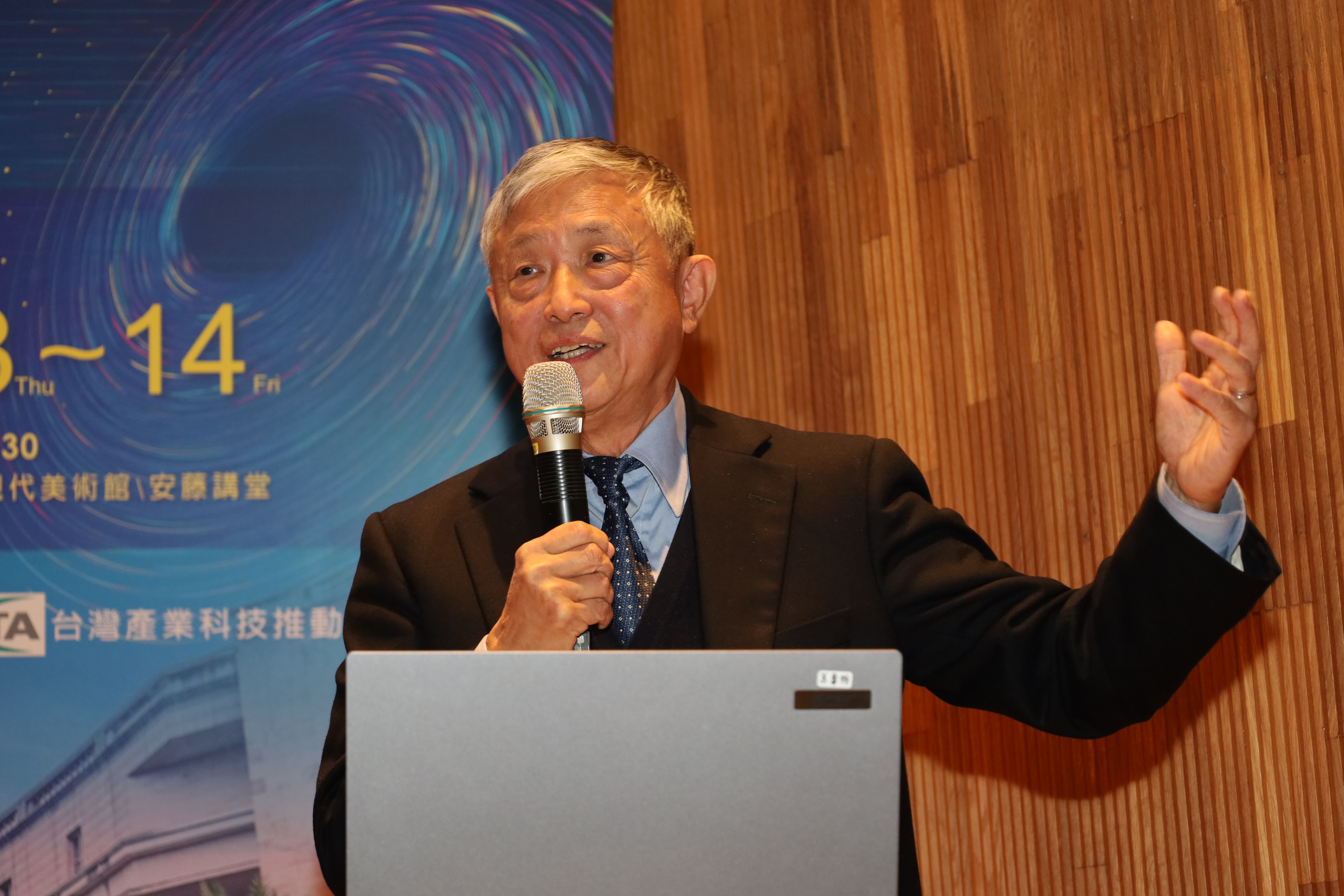
Prof. Ka-Kit Hui of UCLA analyzes the integration of quantum computing, AI, and East-West medicine
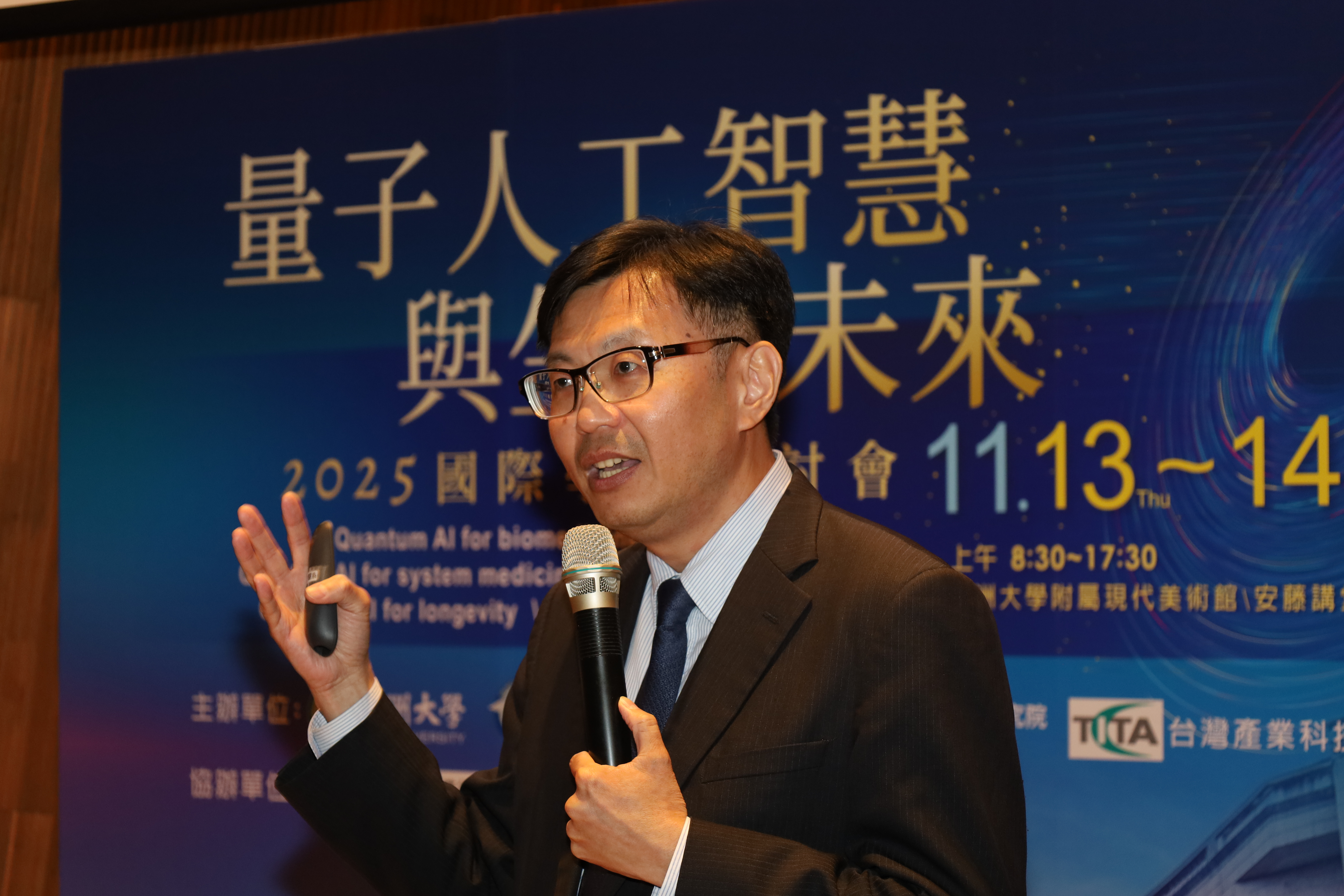
Dean Hung-Jung Yen of CMU highlights AI-driven East-West integrative health innovation
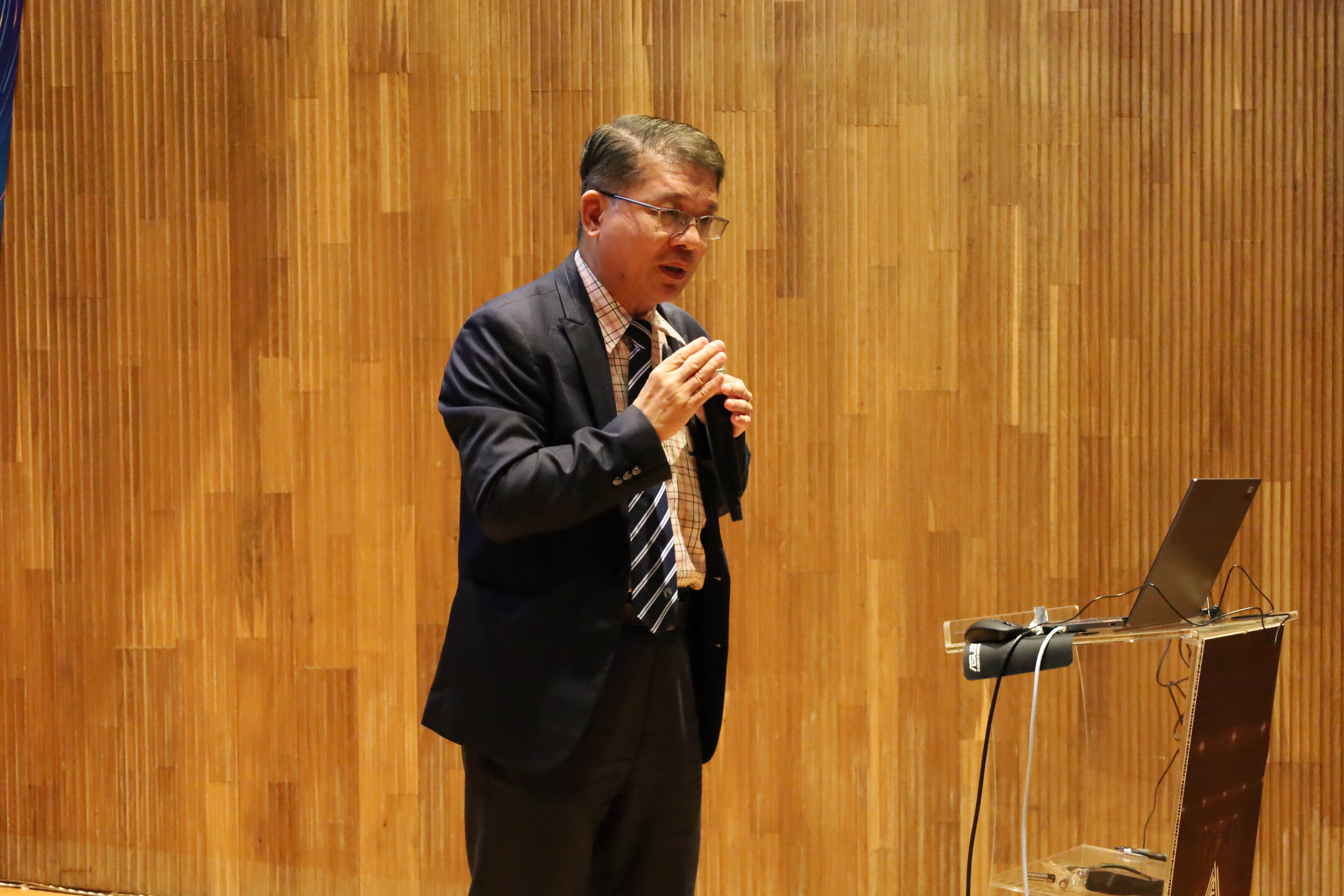
Prof. Sheng-Teng Huang presents modern scientific interpretations of traditional Chinese medicine
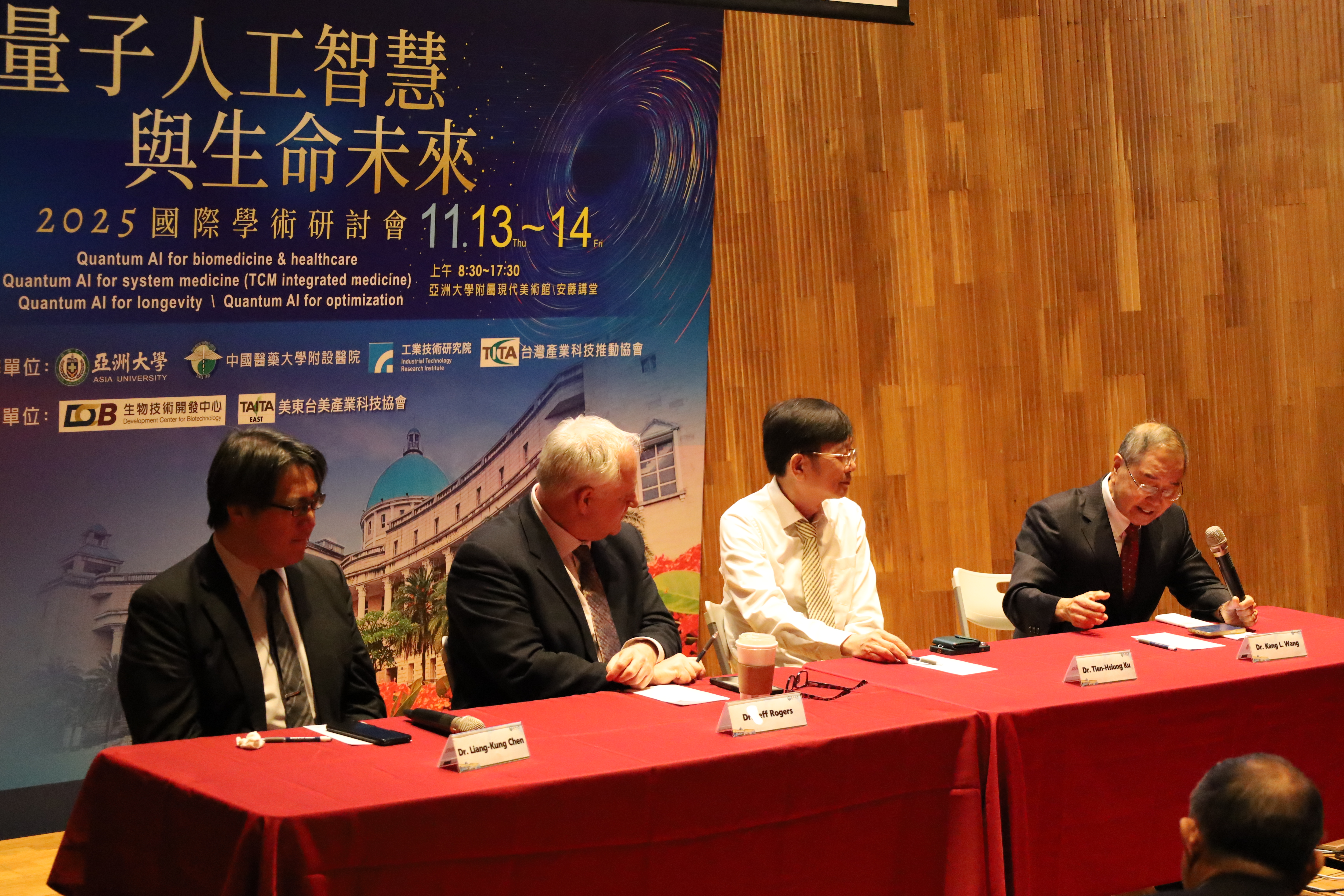
Academia Sinica Academician Kang-Lung Wang leads the QAI panel discussion
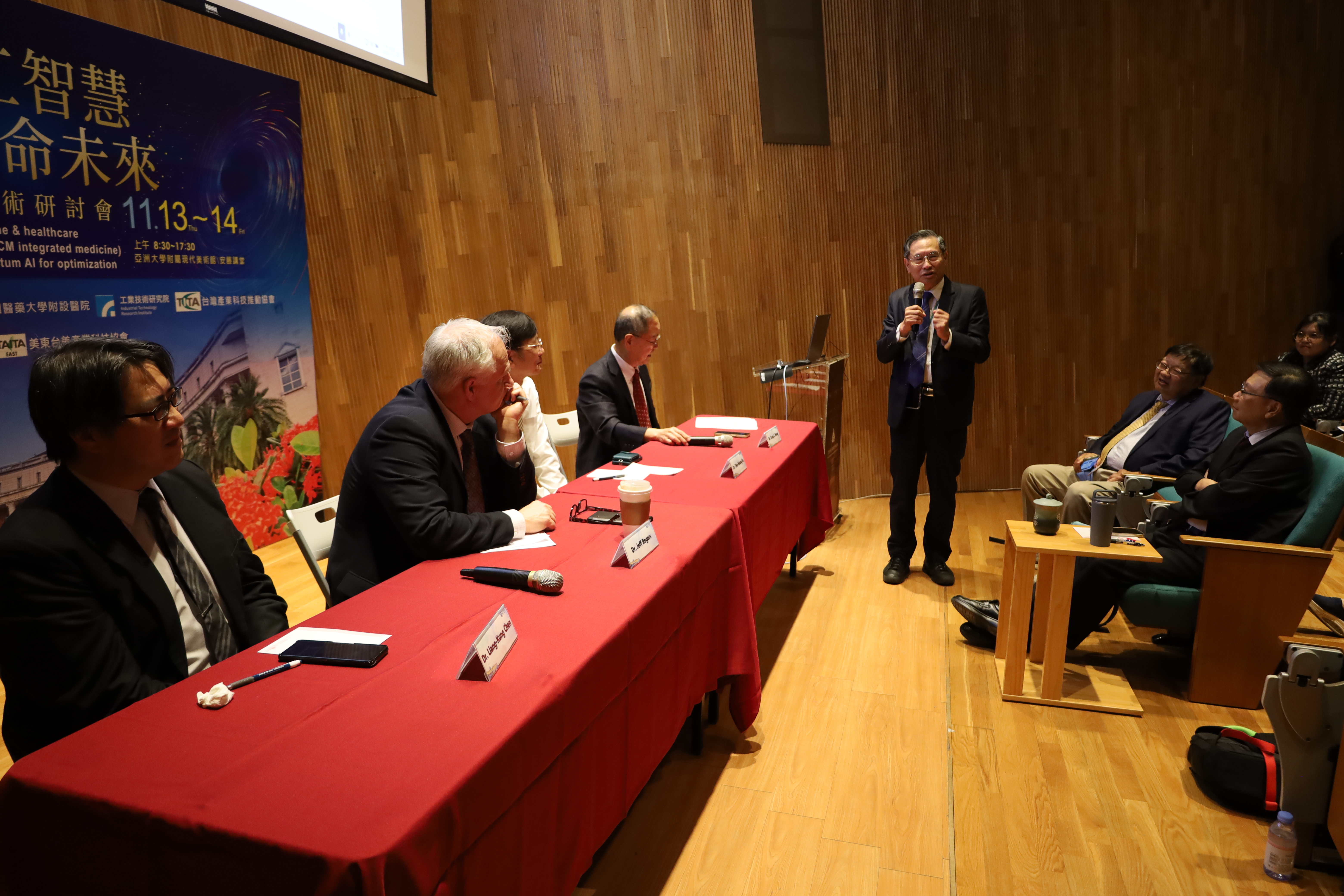
Biotechnology Center Chairman Shiing-jer Twu participates in the symposium discussion
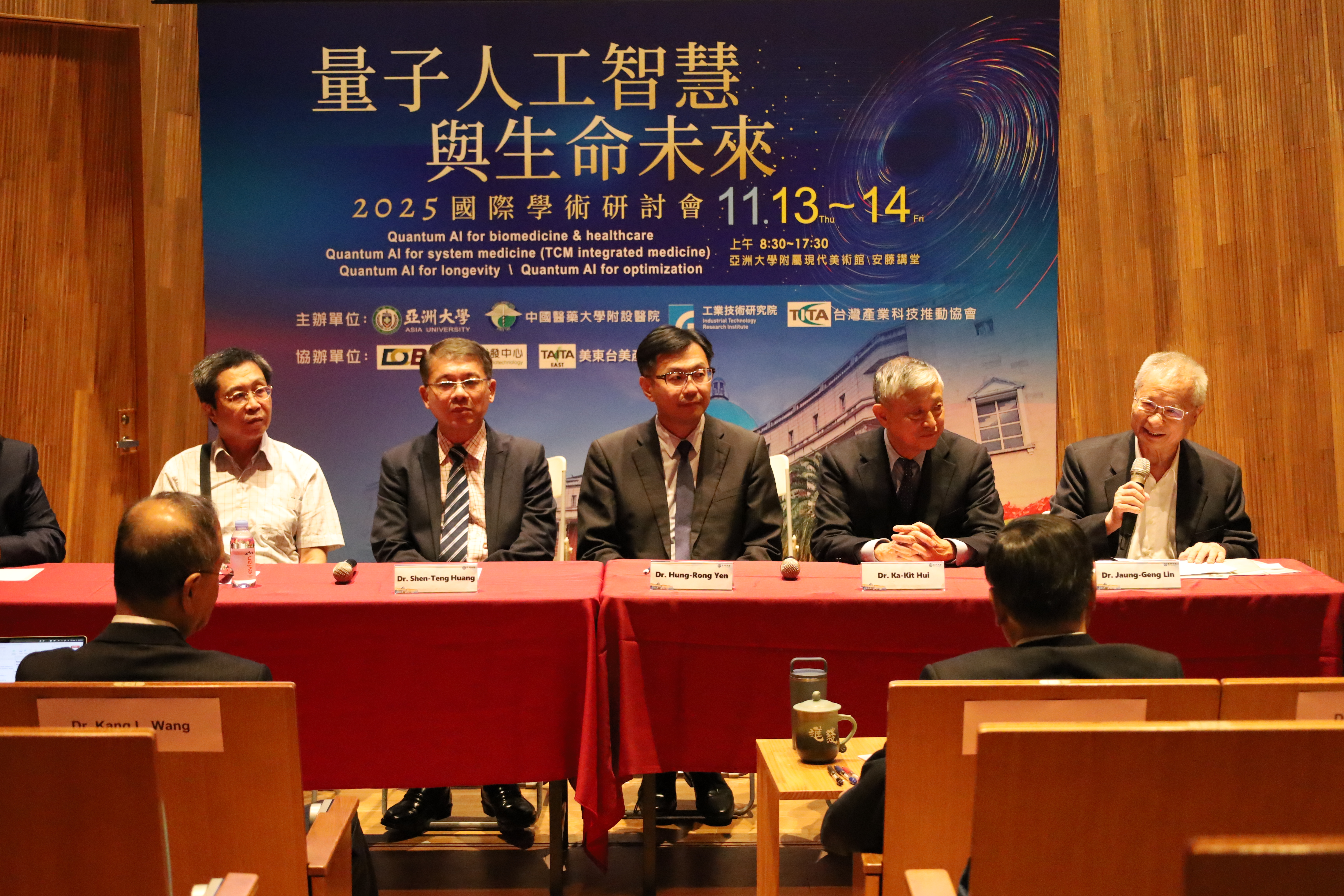
Academia Sinica Academician Chao-Kung Lin hosts a keynote panel forum
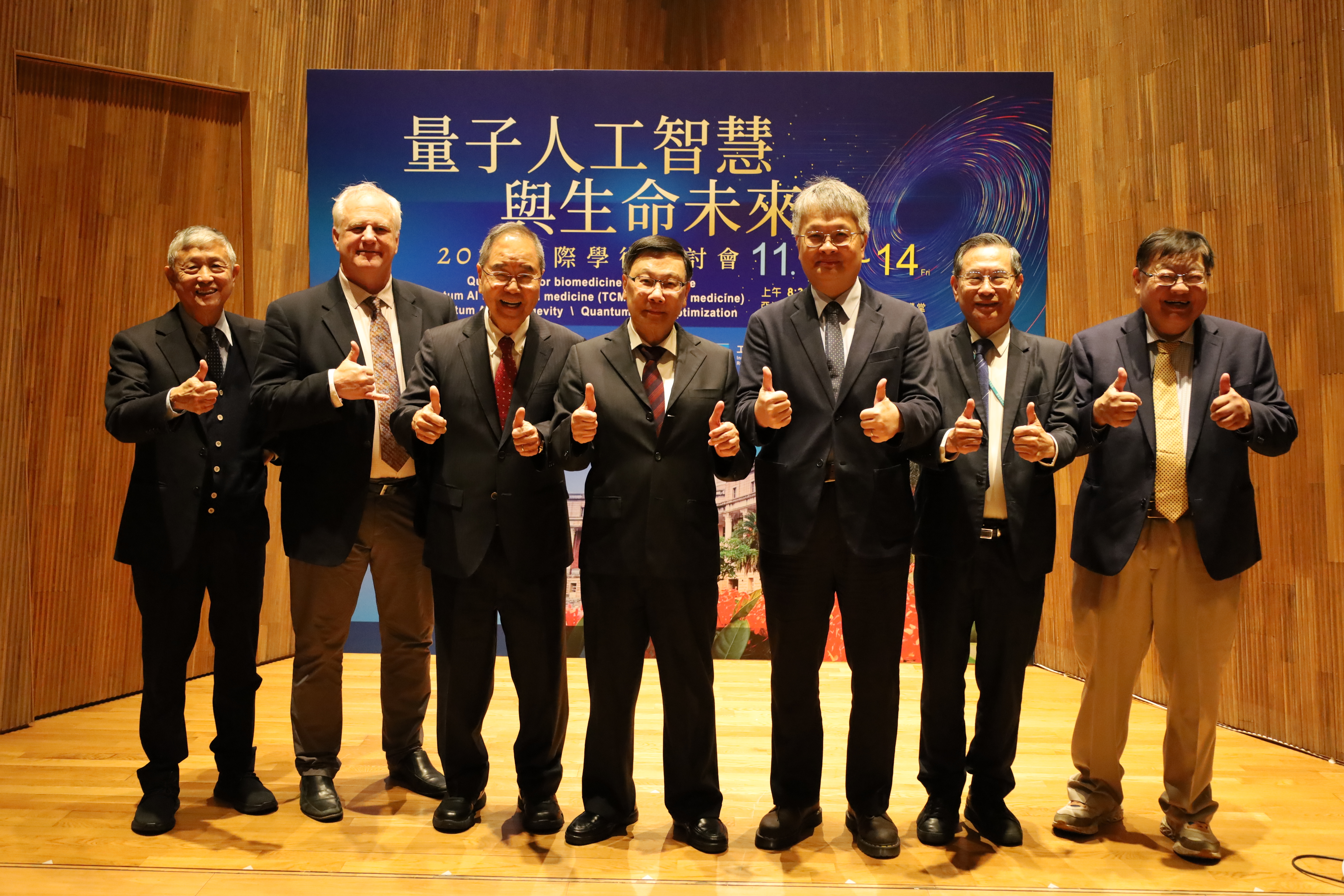
Group photo: Deputy Minister Kuo-Wei Liu (right 3), AU President Tsai (center), Chairman Shiing-jer Twu (right 2), Academician Kang-Lung Wang (left 3), and symposium speakers